
About RNOSC
Uniting athletes, federations, and communities through the power of sport since 1984.
Empowering athletes.
Uniting a nation.
- Develop, promote and protect the Olympic Movement in Rwanda
- Promote Olympism fundamentals through educational programmes across schools and universities
- Encourage high-performance sport and sport-for-all initiatives
- Train sports administrators in Olympic principles
- Combat discrimination and violence in sport
- Implement the World Anti-Doping Code
- Represent Rwanda at Olympic Games and IOC-sanctioned competitions
- Maintain autonomy against political, legal, religious, or economic pressures
“The athletes must be at the heart of the sports movement.”
Building a better world
through sports.
Rwanda envisions its Olympic and sports movement becoming instrumental in social, economic, and environmental progress — positioning the country as an innovative reference nation through the values of exemplarity, respect, friendship, and excellence.
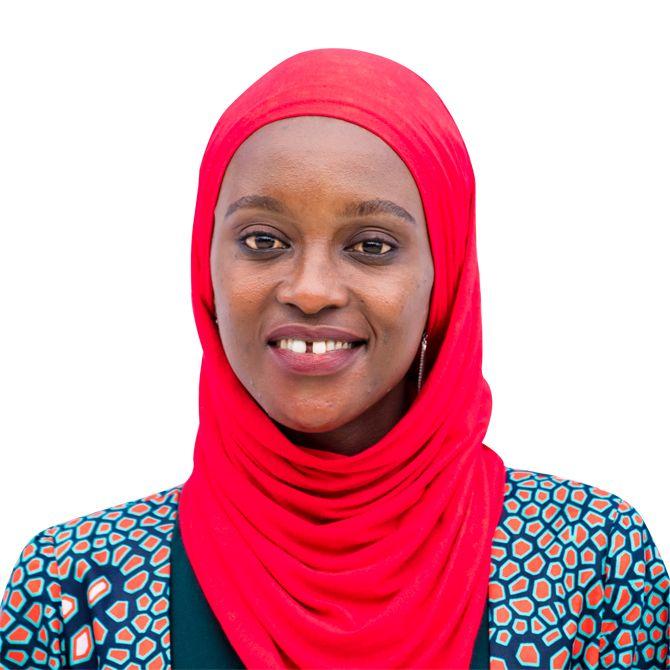
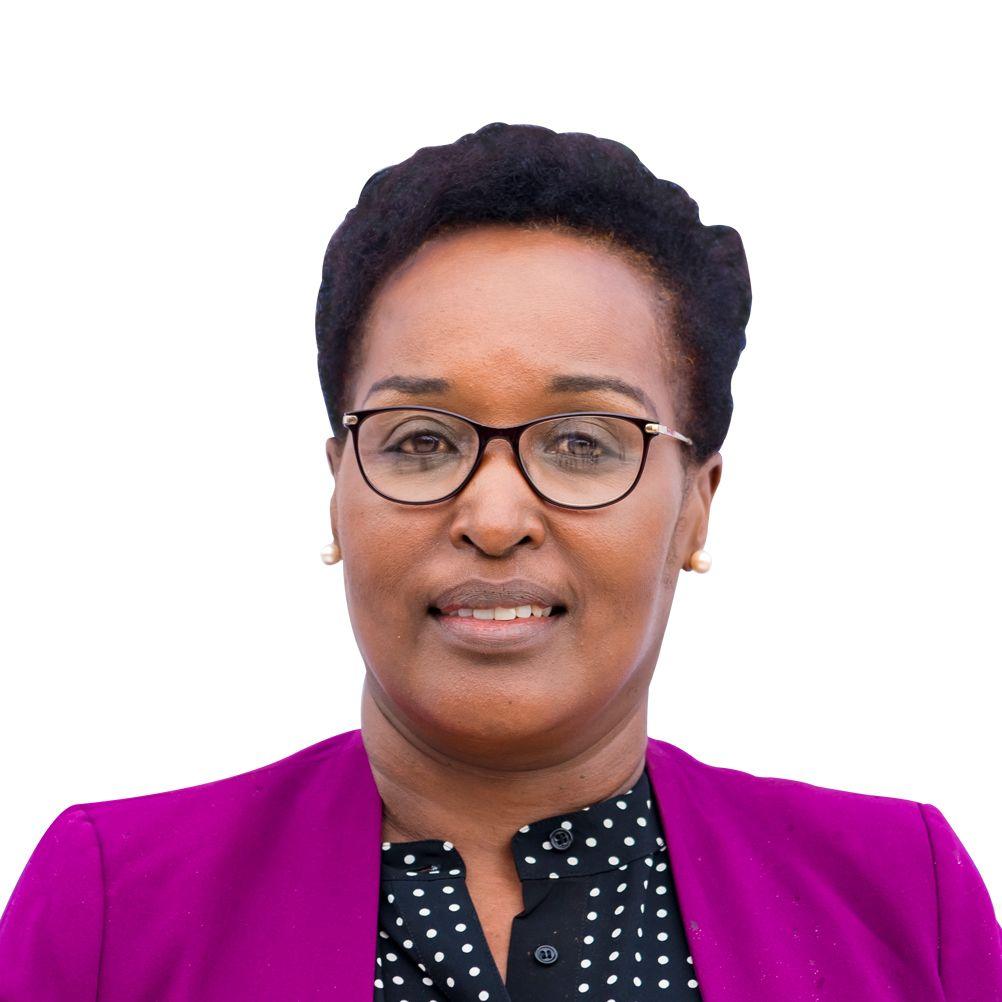
Executive Committee
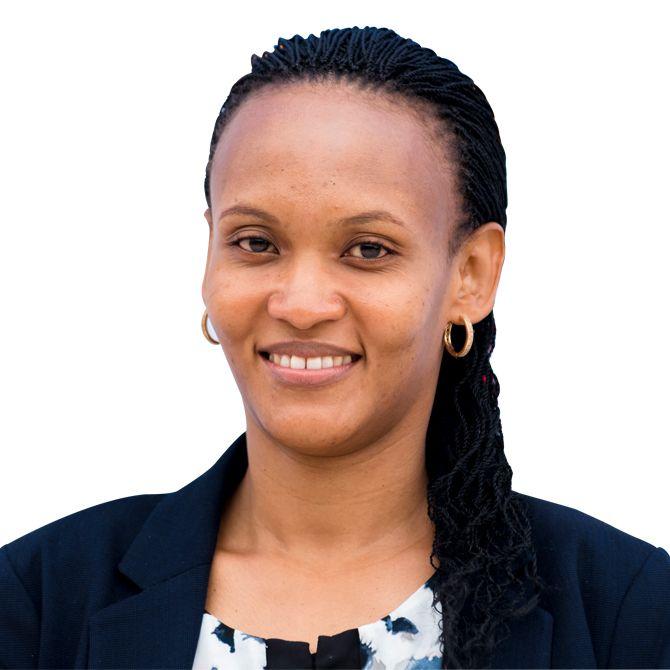
Alice Umulinga
A former professional volleyball athlete for Kigali Volleyball Club, she has held the First Vice President position from 2021, transitioning to Acting President in 2023, until her formal election as President for the 2025–2028 Olympic cycle. She also serves as the Vice President of the Association of National Olympic Committees of Africa (ANOCA) Zone V.
View full profile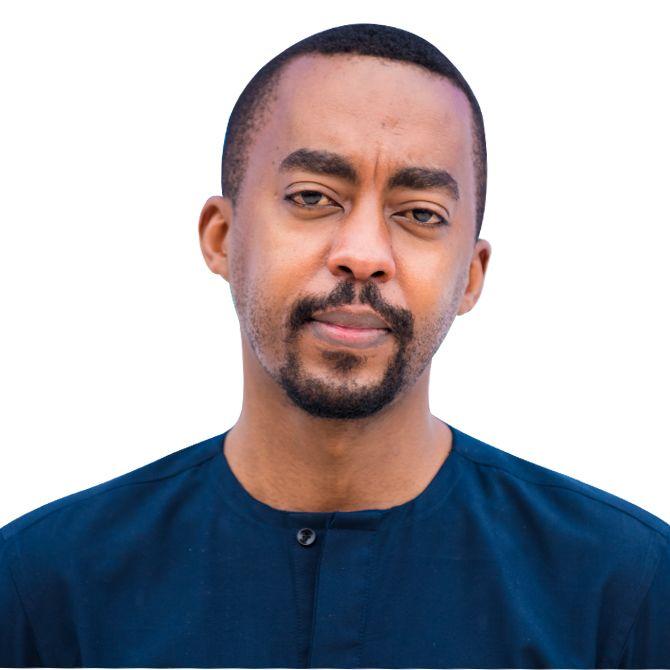
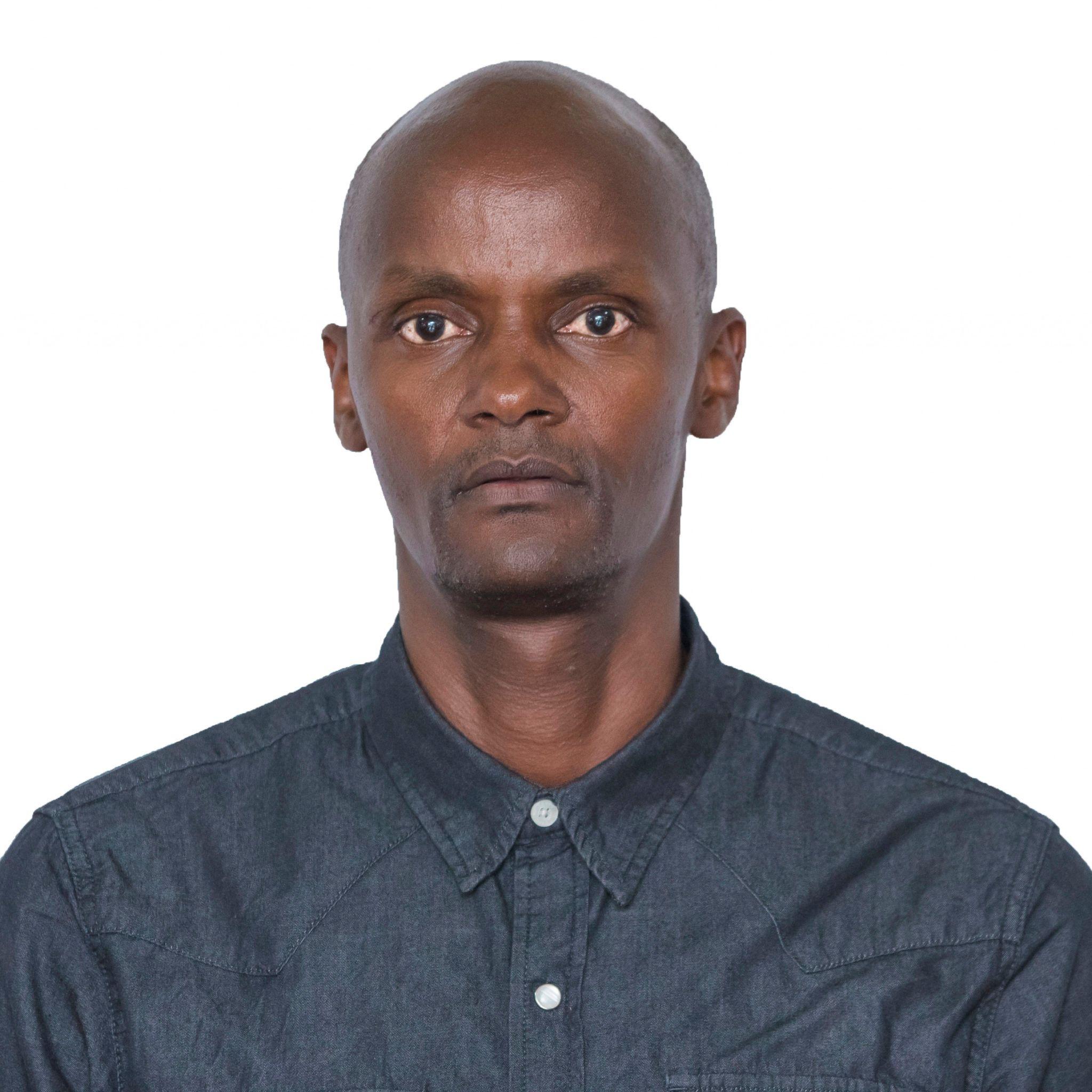
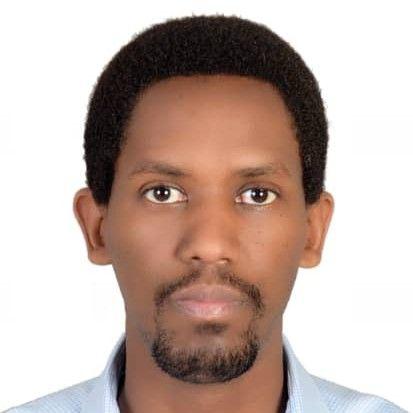
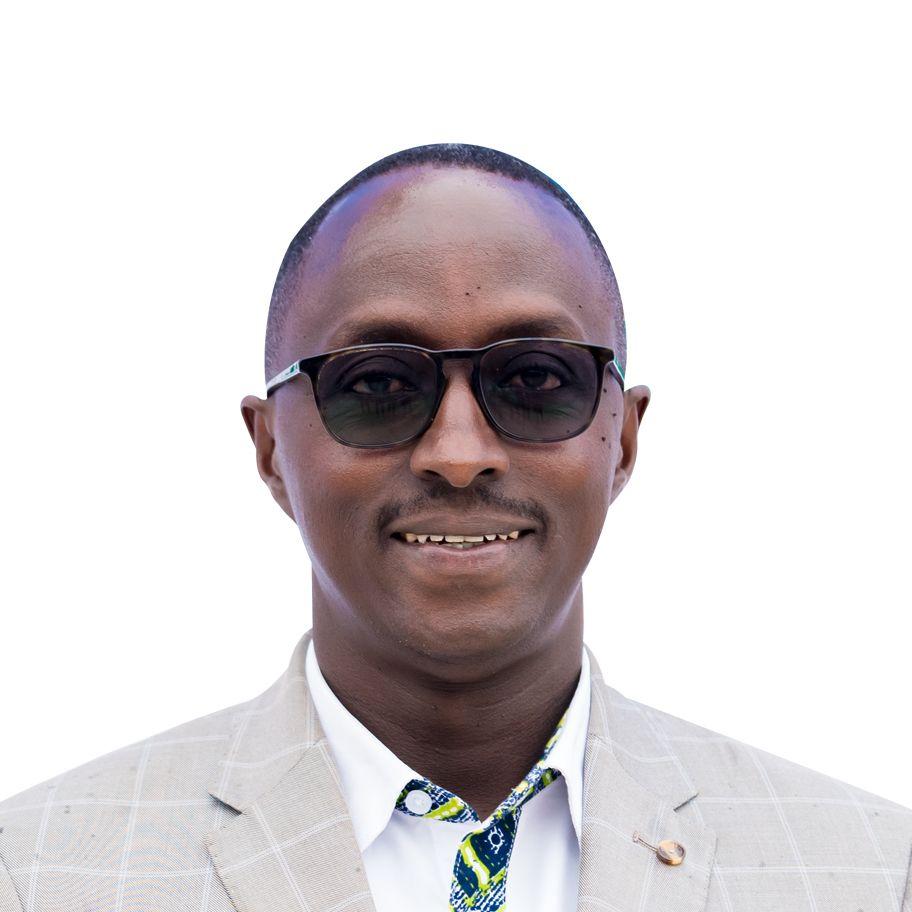
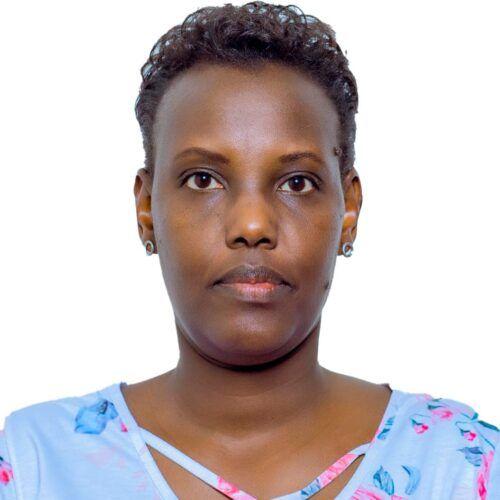
Permanent Staff
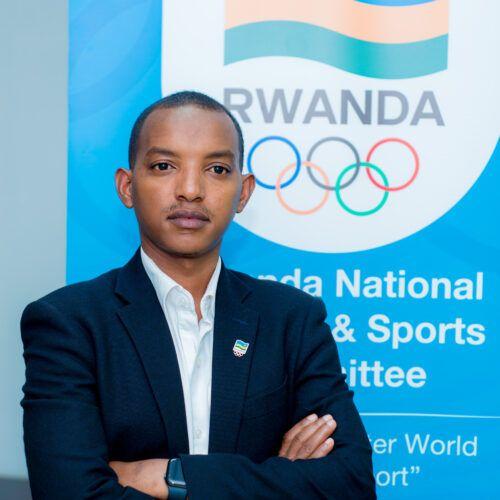
Jean Claude Rugigana
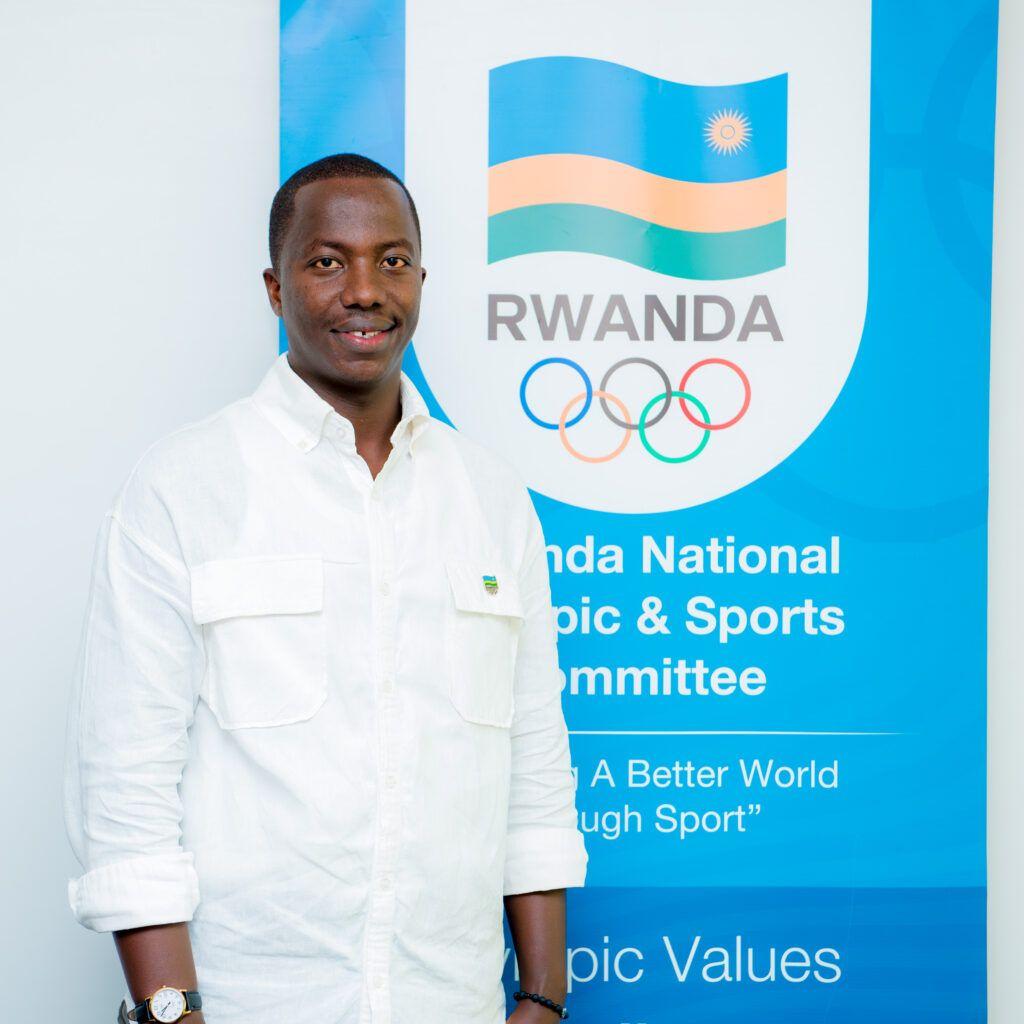
Espoir Emery Ntungane
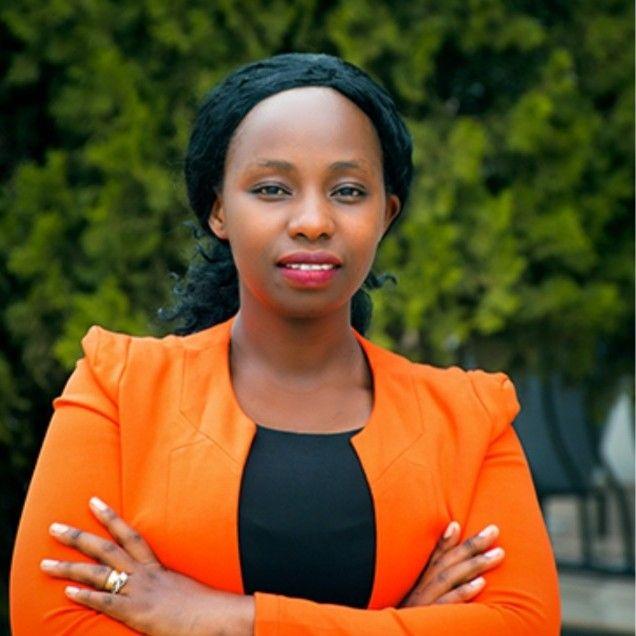
Jacqueline Masengesho
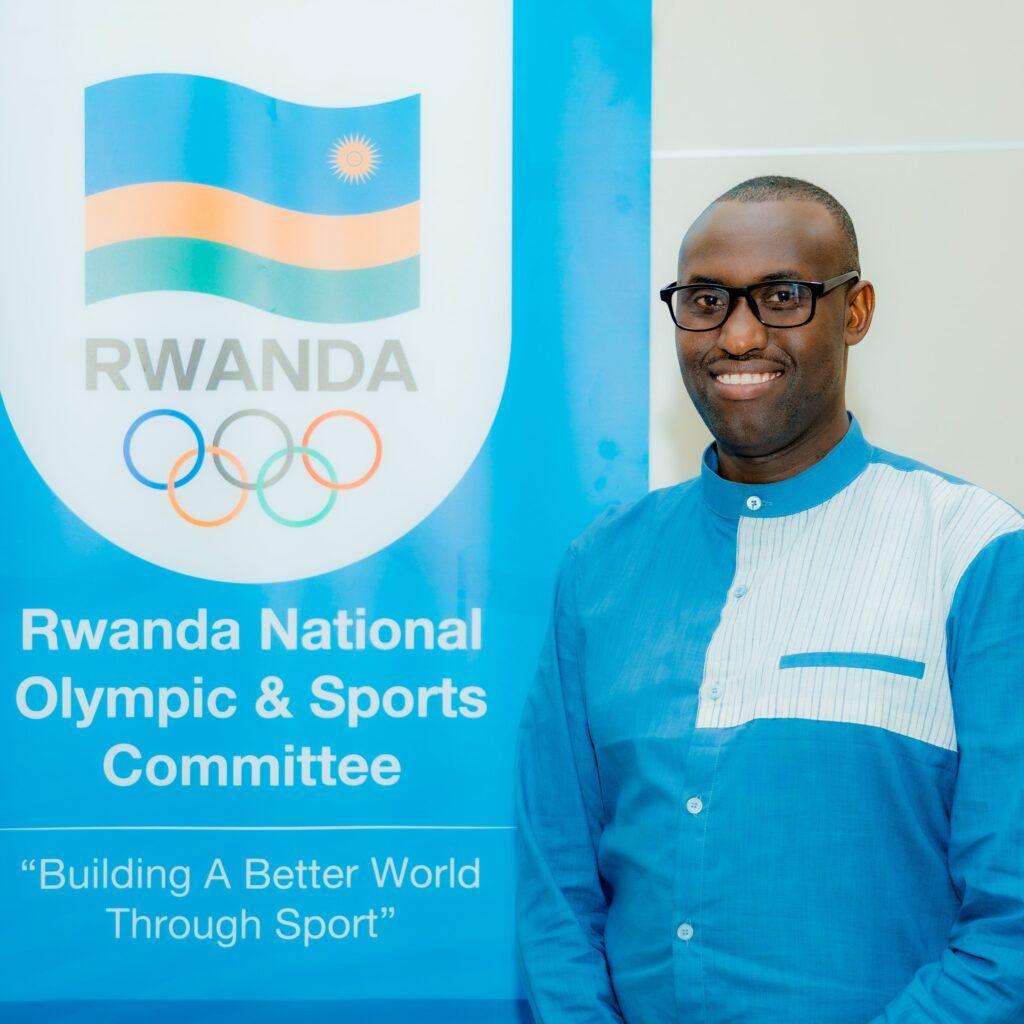
Fidele Bugingo
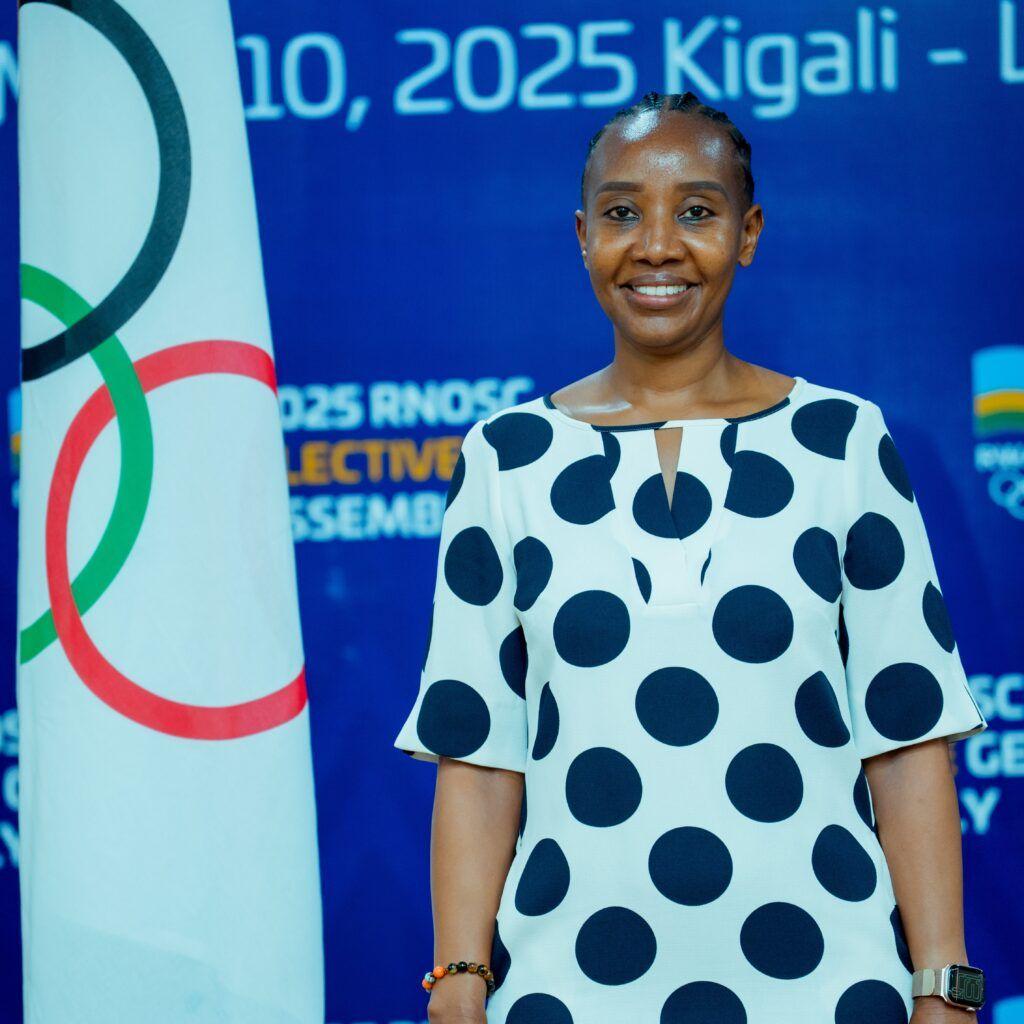
Clarisse Ingabire
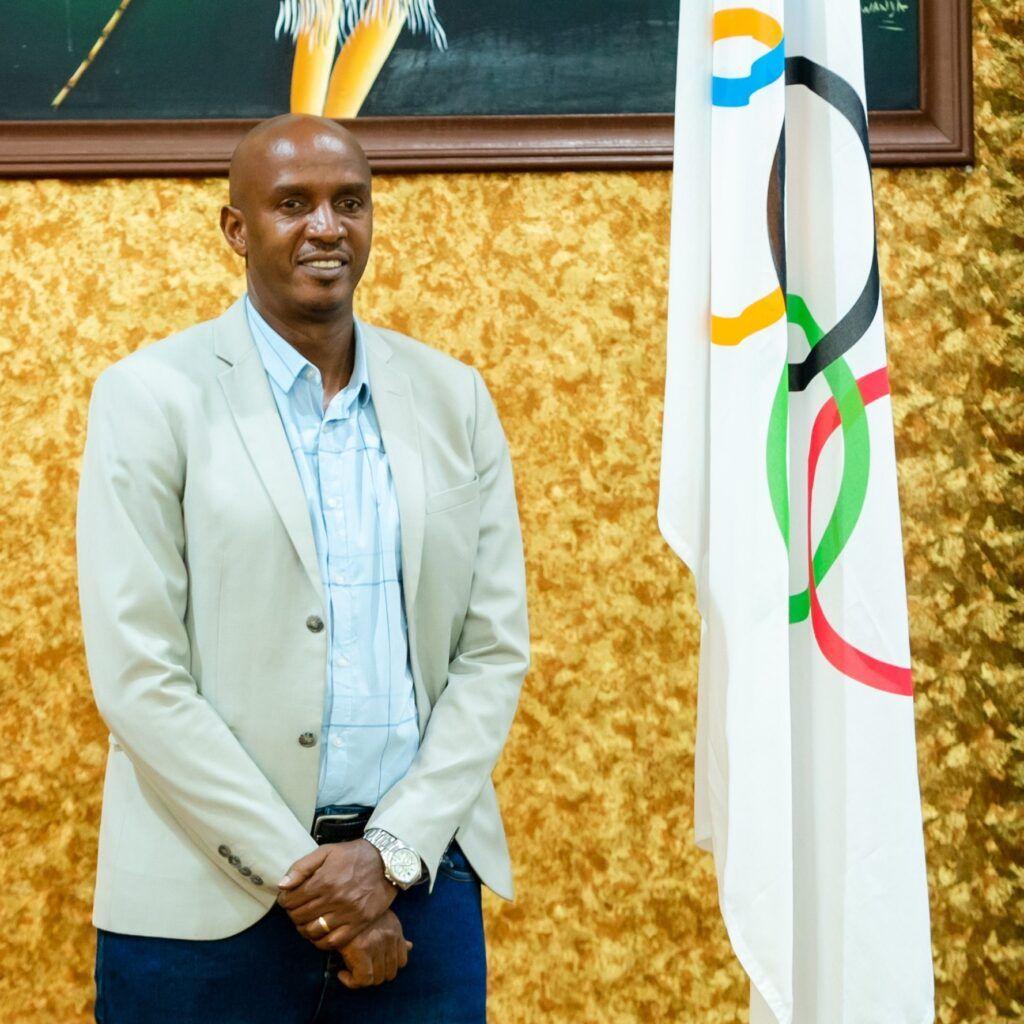
Jean Paul Mana

Josué Ishema Rutaganira
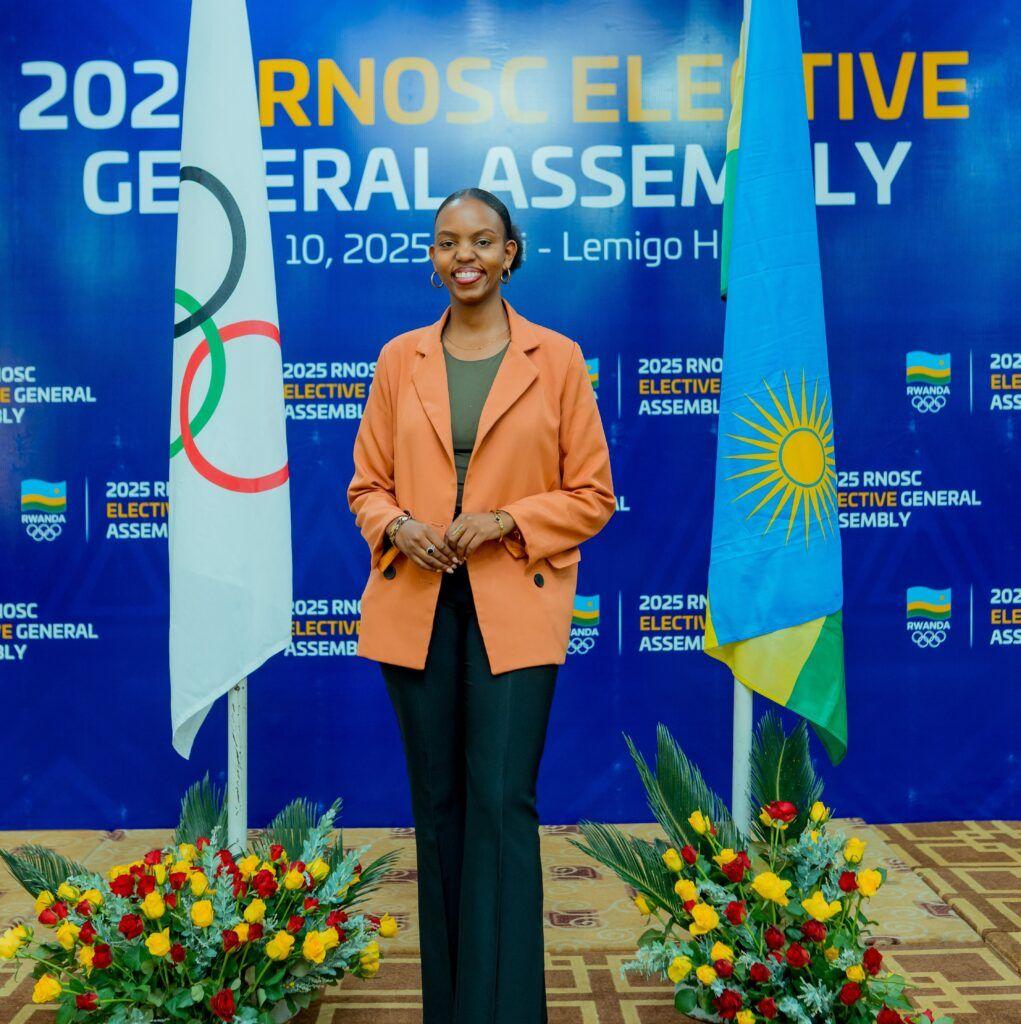
Nicky Gisele Isumbingabo
Four Decades of Sport
Foundation
Rwanda National Olympic & Sports Committee established. Rwanda participates in its first Olympic Games at Los Angeles 1984.
Seoul 1988
Rwanda returns to the Olympic stage in Seoul with athletes competing in athletics.
Barcelona 1992
Rwanda fields its largest team to date at the Barcelona Games, competing in athletics and cycling.
Atlanta 1996
Rwanda participates at the Atlanta Games — the first edition after the 1994 Genocide. Sport becomes a symbol of resilience and national rebirth.
Sydney 2000
Rwanda competes at the Sydney Olympics with long-distance runners representing the country on the world stage.
Athens 2004
Continued Olympic participation in athletics at the Athens Games.
Beijing 2008
Rwanda sends athletes to Beijing, competing in athletics and swimming disciplines.
London 2012
Rwanda's presence at London grows across athletics, cycling, swimming, and judo — a landmark edition for the country.
Rio 2016
Rwanda expands its Olympic footprint at Rio with athletes in athletics, cycling, and swimming.
Tokyo 2020
Despite pandemic challenges, Rwanda competes with determination in Tokyo in cycling, athletics, and swimming.
Paris 2024
Rwanda sends athletes to Paris 2024 in cycling, athletics, swimming, and fencing — including Tufaha Uwihoreye, Rwanda's first Olympic fencer.
A Year in Sport
Building Excellence
Olympic Solidarity
International Olympic Committee-funded grants supporting athlete training, coaching education, and sports infrastructure across Rwanda.
National Olympic Academy
The educational arm of RNOSC, responsible for spreading Olympic values and building knowledge across the Rwandan sports movement.
Anti-Doping
Comprehensive clean sport initiatives including education, testing protocols, and athlete awareness campaigns.
Elite Development
High-performance training camps, international exchange programmes, and world-class coaching for Olympic hopefuls.